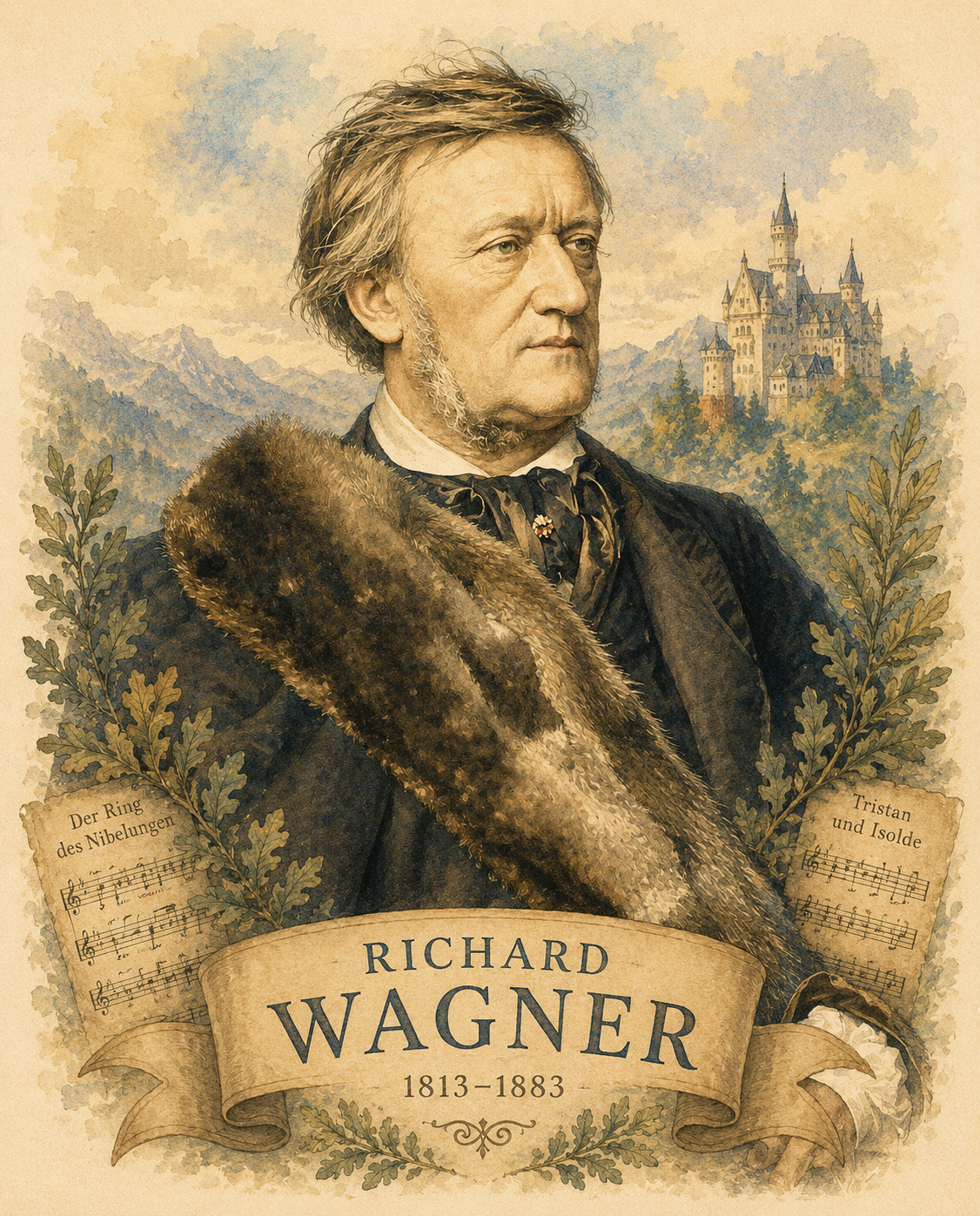
Richard Wagner
22 May 1813 — 13 February 1883
Richard Wagner (1813–1883) was a German composer, conductor, and theatre director best known for his revolutionary operas, which he called “music dramas.” Unlike most opera composers, Wagner wrote both the music and the libretti for all of his stage works. His mature style is characterized by rich orchestration, complex harmonies, and the systematic use of leitmotifs—recurring musical themes associated with characters, ideas, or dramatic situations. Among the most famous excerpts from his works are the “Ride of the Valkyries” from Die Walküre and the “Wedding March” (Bridal Chorus) from Lohengrin.
Operas
| Opera | Premiere or date of written | Libretti available |
|---|---|---|
| Die Feen | 1834, January 8 | german, english |
| Das Liebesverbot | 1836, March 29 | german, russian |
| Rienzi | 1842, October 20 | german, russian |
Der fliegende Holländer  |
1843, January 2 | german, english, russian |
| Tannhäuser | 1845, October 19 | german, english |
| Lohengrin |
1848, April 28 | german, english, russian |
| Tristan und Isolde | 1859, August 9 | german, english, russian |
| Die Meistersinger von Nürnberg |
1867, October 24 | german, english, russian |
| Das Rheingold | 1869, September 22 | german, english, french, russian |
| Die Walküre |
1870, June 26 | german, english, french |
| Siegfried |
1871, February 5 | german, english, russian |
| Götterdämmerung |
1874, November 21 | german, english, russian |
| Parsifal | 1882, July 26 | german, english |
History
| January 2, 1843 | World premiere of Richard Wagner’s opera "Der fliegende Holländer" at the Königliches Sächsisches Hoftheater (Semperoper), Dresden on 2 January 1843. |
| July 22, 1844 | Richard Wagner conducted the first performance of his concert work "Faust Overture" in Dresden, a composition originally intended as the opening movement of a Faust Symphony. |
| April 13, 1845 | The premiere of Wagner's "Tannhäuser" took place at the Königliches Hoftheater in Dresden. |
| August 25, 1845 | Ludwig II of Bavaria was born at Nymphenburg Palace in Munich. His patronage of Richard Wagner helped make possible the composition and production of works including "Tristan und Isolde", "Die Meistersinger von Nürnberg", and "Der Ring des Nibelungen". |
| April 28, 1850 | The premiere of Richard Wagner's opera "Lohengrin" took place in Weimar under the direction of Franz Liszt. |
| August 5, 1850 | The first performance of Richard Wagner's "Lohengrin" took place at the Weimar Court Theatre under the direction of Franz Liszt while Wagner remained in exile. |
| August 28, 1850 | Richard Wagner's "Lohengrin" received its world premiere at the Grossherzogliches Hoftheater in Weimar, conducted by Franz Liszt. Wagner, then in political exile, was unable to attend. |
| June 21, 1868 | Wagner’s "Die Meistersinger von Nürnberg" received its world premiere at the National Theatre in Munich. |
| April 6, 1869 | The Paris premiere of Wagner’s "Rienzi" opened at the Théâtre-Lyrique under Jules Pasdeloup. |
| June 6, 1869 | Siegfried Wagner, German opera composer, conductor, and later artistic director of the Bayreuth Festival, was born at Tribschen near Lucerne. |
| September 22, 1869 | Richard Wagner's "Das Rheingold", the preliminary evening of "Der Ring des Nibelungen", received its world premiere at the Königliches Hof- und Nationaltheater in Munich on the orders of King Ludwig II of Bavaria, against Wagner's wishes. |
| May 10, 1876 | First performance of Richard Wagner's Centennial Inaugural March at the Centennial Exposition in Philadelphia, conducted by Theodore Thomas. |
| August 7, 1876 | The first complete rehearsal of Richard Wagner's "Der Ring des Nibelungen" cycle concluded immediately before the inaugural Bayreuth Festival performances. |
| August 14, 1876 | Richard Wagner's "Die Walküre" was performed at the Bayreuth Festspielhaus for the first time as part of the complete "Der Ring des Nibelungen" cycle, conducted by Hans Richter. |
| August 16, 1876 | Richard Wagner’s opera "Siegfried" premiered at the opening of the Bayreuth Festspielhaus as part of his monumental "Ring" cycle. |
| August 17, 1876 | Richard Wagner's "Götterdämmerung" received its world premiere at the Bayreuth Festspielhaus, conducted by Hans Richter, completing the first full performance of "Der Ring des Nibelungen". |
| July 26, 1882 | First complete performance (world premiere) of Wagner’s final opera "Parsifal" at the Bayreuth Festival, conducted under the composer's supervision. |
| August 29, 1882 | At the sixteenth and final performance of "Parsifal" at the second Bayreuth Festival, Richard Wagner entered the orchestra pit during Act III, took the baton from Hermann Levi, and conducted the opera to its conclusion. It was Wagner's final appearance as a conductor at Bayreuth. |
| January 1, 1914 | First Italian performance of Wagner’s "Parsifal" at Teatro Comunale di Bologna on 1 January 1914, conducted by Rodolfo Ferrari. |
| July 27, 1953 | The Bayreuth Festival reopened its 1953 season with Wagner's "Parsifal", continuing the post-war renewal of the festival under Wieland and Wolfgang Wagner. |
Images
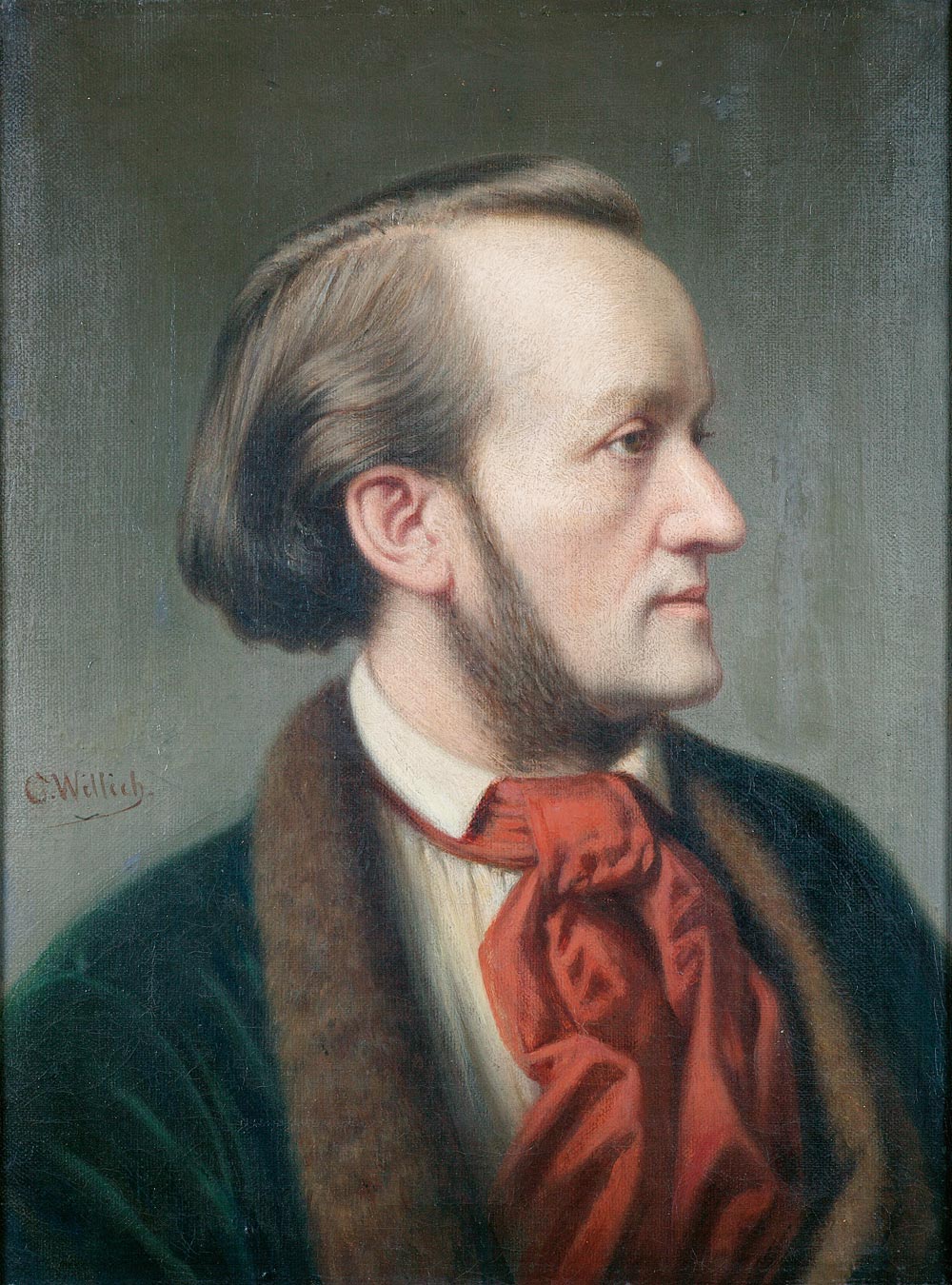
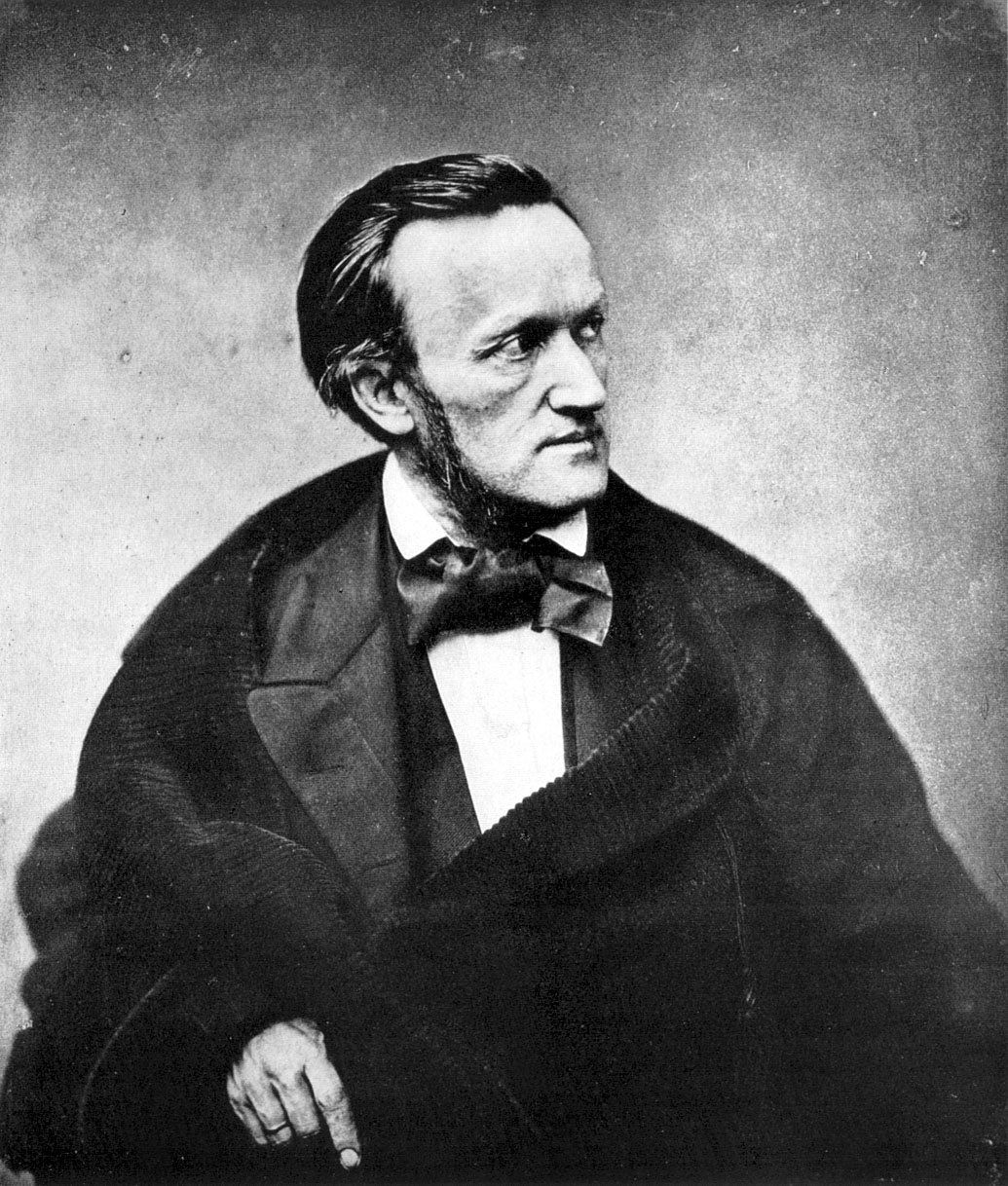
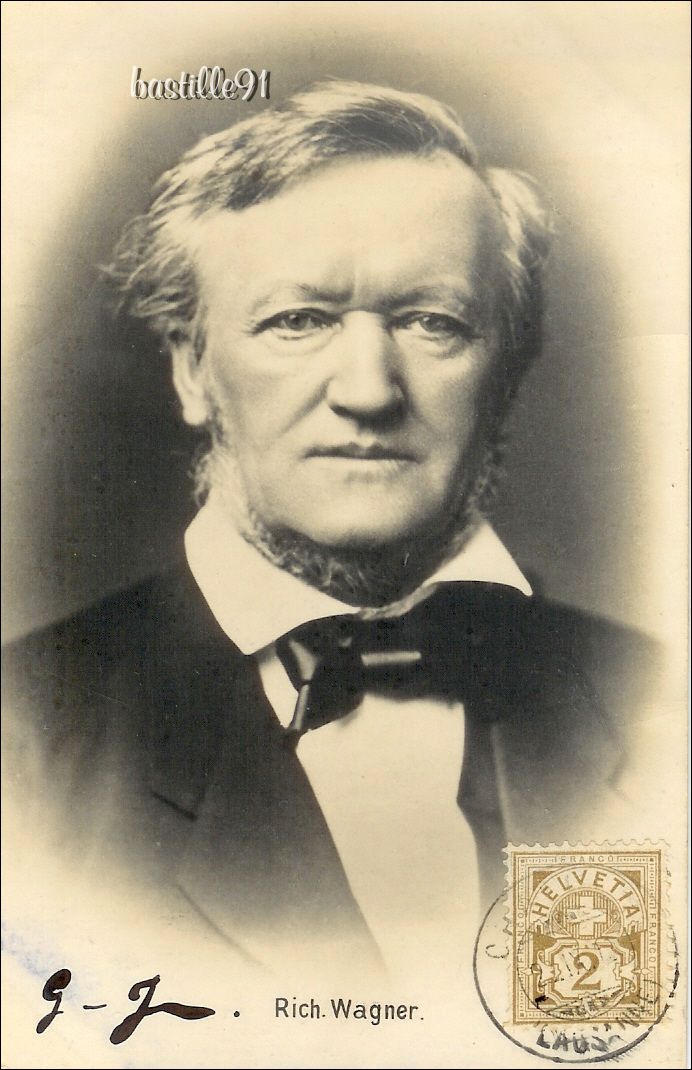
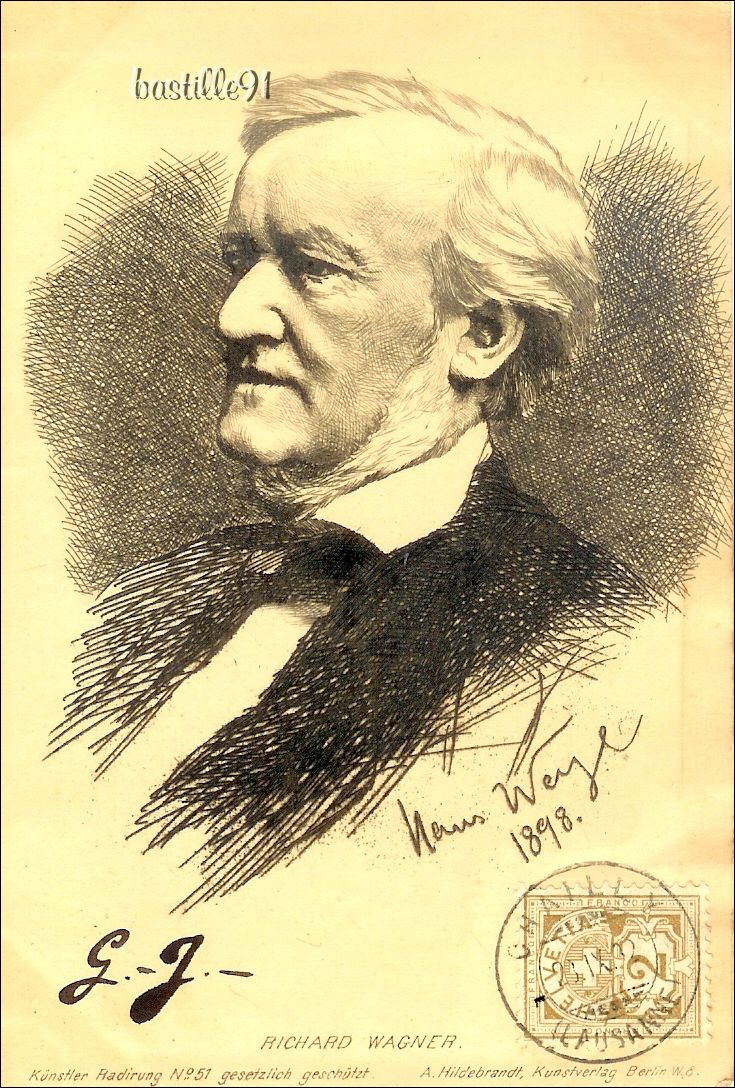
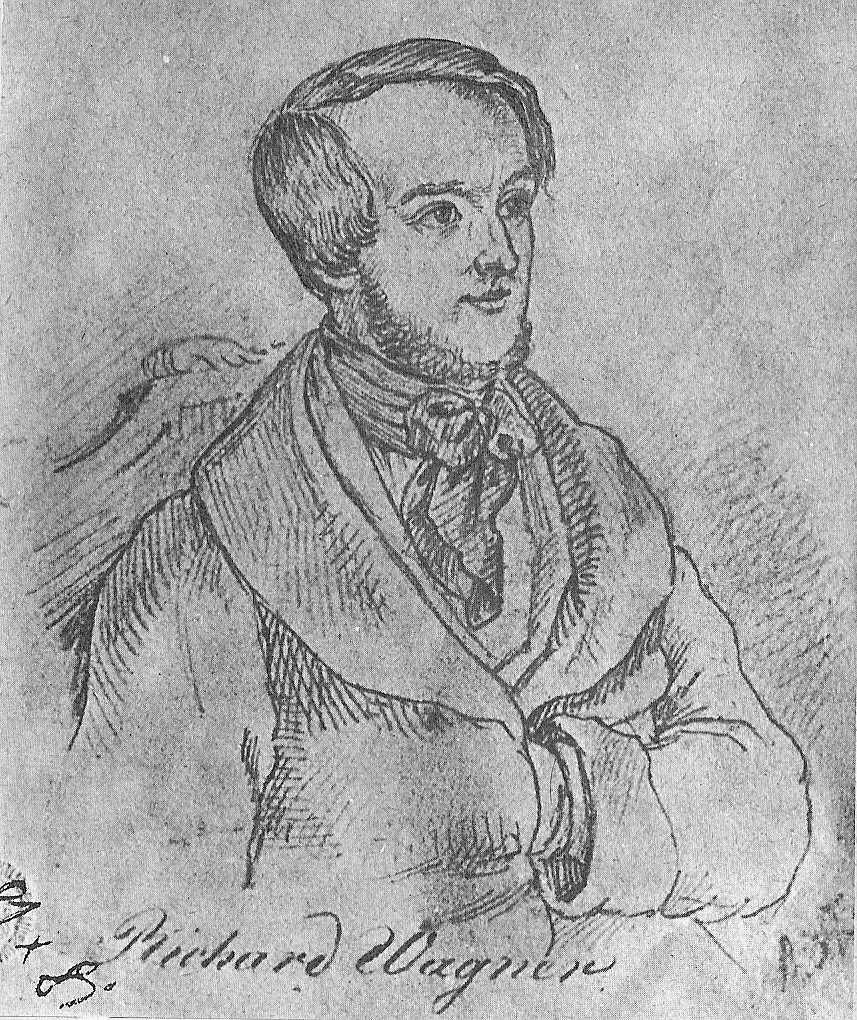
Notable videos
|
Richard Wagner - The Ring Without Words
Orchestral highlights from the Ring Cycle. |
External links
- Wikipedia, the free encyclopedia
- Bayreuth Festival (in German and English) Official site of the Bayreuth Festival, a music festival held annually in Bayreuth, Germany, at which performances of operas by Richard Wagner are presented.