“Maria Stuarda” by Gaetano Donizetti
♡
Two queens, one throne, and a deadly rivalry. Donizetti’s Maria Stuarda brings the conflict between Mary, Queen of Scots, and Elizabeth I to life through powerful music and dramatic confrontations.
See on Amazon – $9.99 → 📄 Preview sample (PDF)Premiere / date of written: 30 December 1835
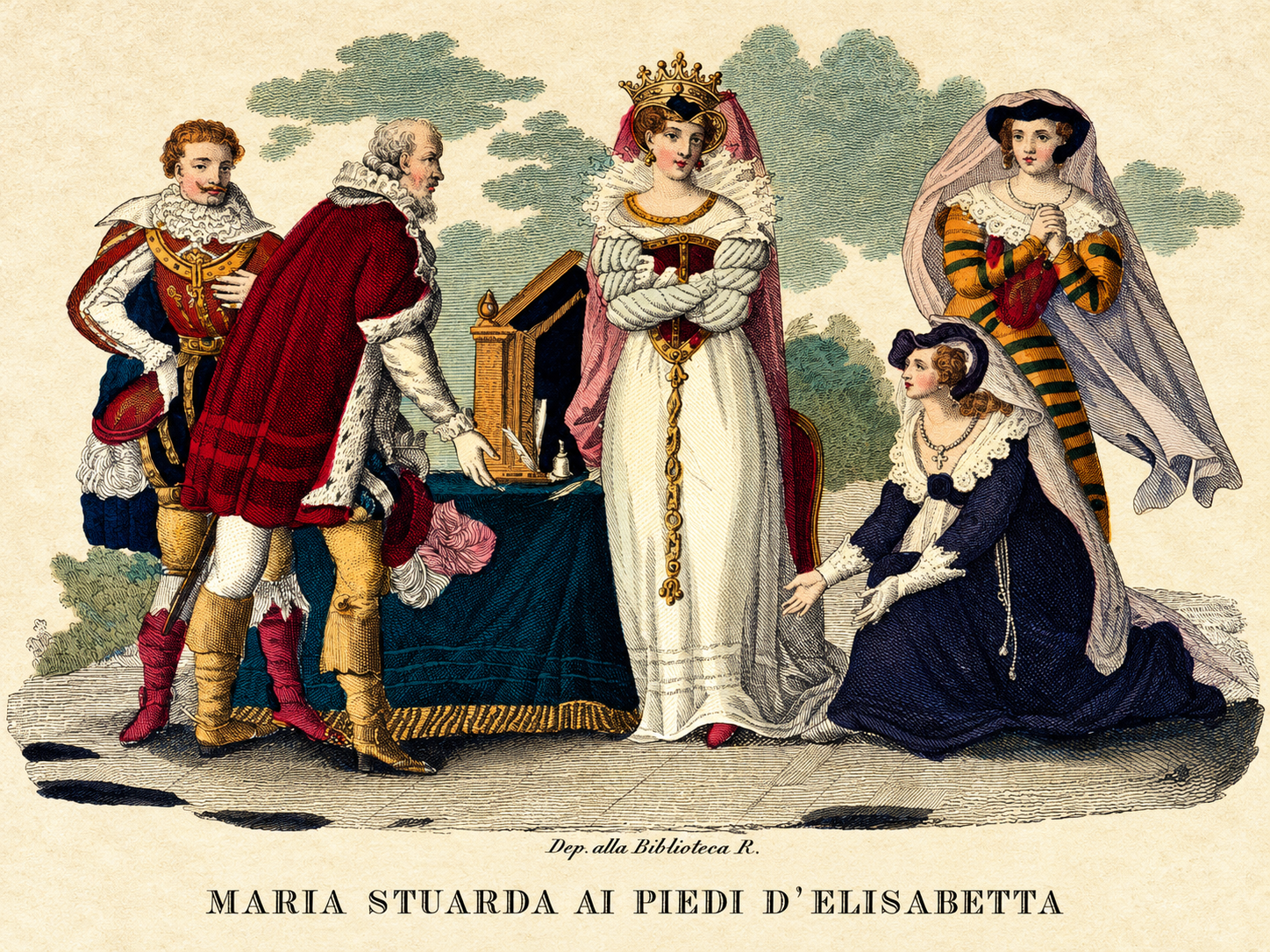
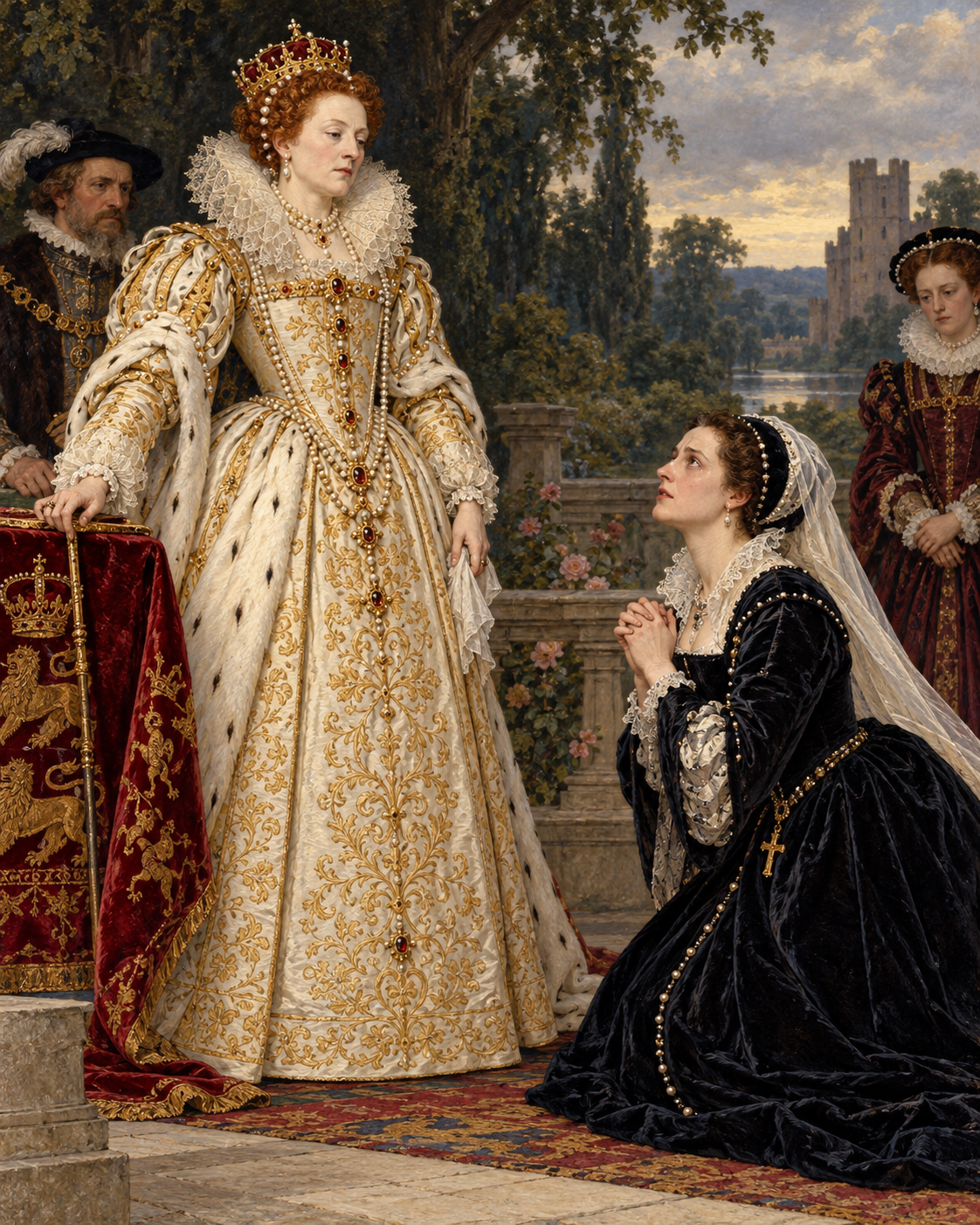
Maria Stuarda is a tragedia lirica in two acts by Gaetano Donizetti with an Italian libretto by Giuseppe Bardari, based on Friedrich Schiller's play Maria Stuart. It premiered at La Scala in Milan on 30 December 1835 after overcoming censorship and revisions. The opera forms the second part of Donizetti's celebrated Tudor trilogy, alongside Anna Bolena and Roberto Devereux. Renowned for its intense dramatic confrontations, especially the famous meeting between Mary, Queen of Scots, and Queen Elizabeth I, Maria Stuarda is considered one of the masterpieces of the bel canto repertoire, demanding exceptional vocal artistry from its two leading sopranos.
Libretti
Italian–English side-by-side translation
| # | Language | Authors |
|---|---|---|
| 1 |
Italian
  |
Giuseppe Bardari |
| 2 |
English
|
Dmitrii Murashev |
original libretto
side-by-side of the original libretto
Notes on the Libretto
The libretto of Gaetano Donizetti’s Maria Stuarda, written by Giuseppe Bardari after Friedrich Schiller’s tragedy, has a particularly complicated textual history. Originally intended for Naples in 1834, the opera was prohibited before its premiere and its music adapted for Buondelmonte. Maria Stuarda finally reached the stage at La Scala on December 30, 1835, with Maria Malibran in the title role.
The confrontation between the two queens was especially troublesome for the censors. Maria’s furious denunciation of Elisabetta as “vil bastarda” (“vile bastard”) was softened in the censored Milanese libretto to “donna vile”. Malibran reportedly restored the more provocative wording in performance. The original expression is preserved in the Italian text presented on LibrettoArchive.
Comparing the Italian libretto with published sources and recorded performances also revealed smaller textual inconsistencies. In the confession scene, one printed text gives Talbot’s question as “Che favello?” (“What am I saying?”), although “Che favelli?” (“What are you saying?”) agrees with the dramatic context and the wording heard in performance.
Other editorial adjustments concern historical terminology and orthography. Cecil’s title, gran tesoriere, is properly rendered “Lord High Treasurer,” while older poetic forms such as soglio, Imene, and ritorte retain their place in the Italian text.
Images
Printed Editions
| Year | Edition | Publisher | Buy |
|---|---|---|---|
| 2026 | Maria Stuarda: Side-by-Side Italian–English Opera Libretto | DM’s Opera Series |
|
Related links
- Maria Stuarda: Italian–English Side-by-Side Libretto With Translation — LibrettoArchive Blog
- Wikipedia, the free encyclopedia