| Charles Gounod operas |
|
• Faust (1859) • Roméo et Juliette (1867) |
“Faust” by Charles Gounod
♡
Discover one of the great masterpieces of French opera.
See on Amazon – $14.99 → 📄 Preview sample (PDF)Premiere / date of written: 19 March 1859
Charles Gounod’s Faust is a five-act opera with a French libretto by Jules Barbier and Michel Carré, based on Carré’s play Faust et Marguerite and inspired by Goethe’s Faust. The opera received its first performance at the Théâtre Lyrique in Paris on 19 March 1859.
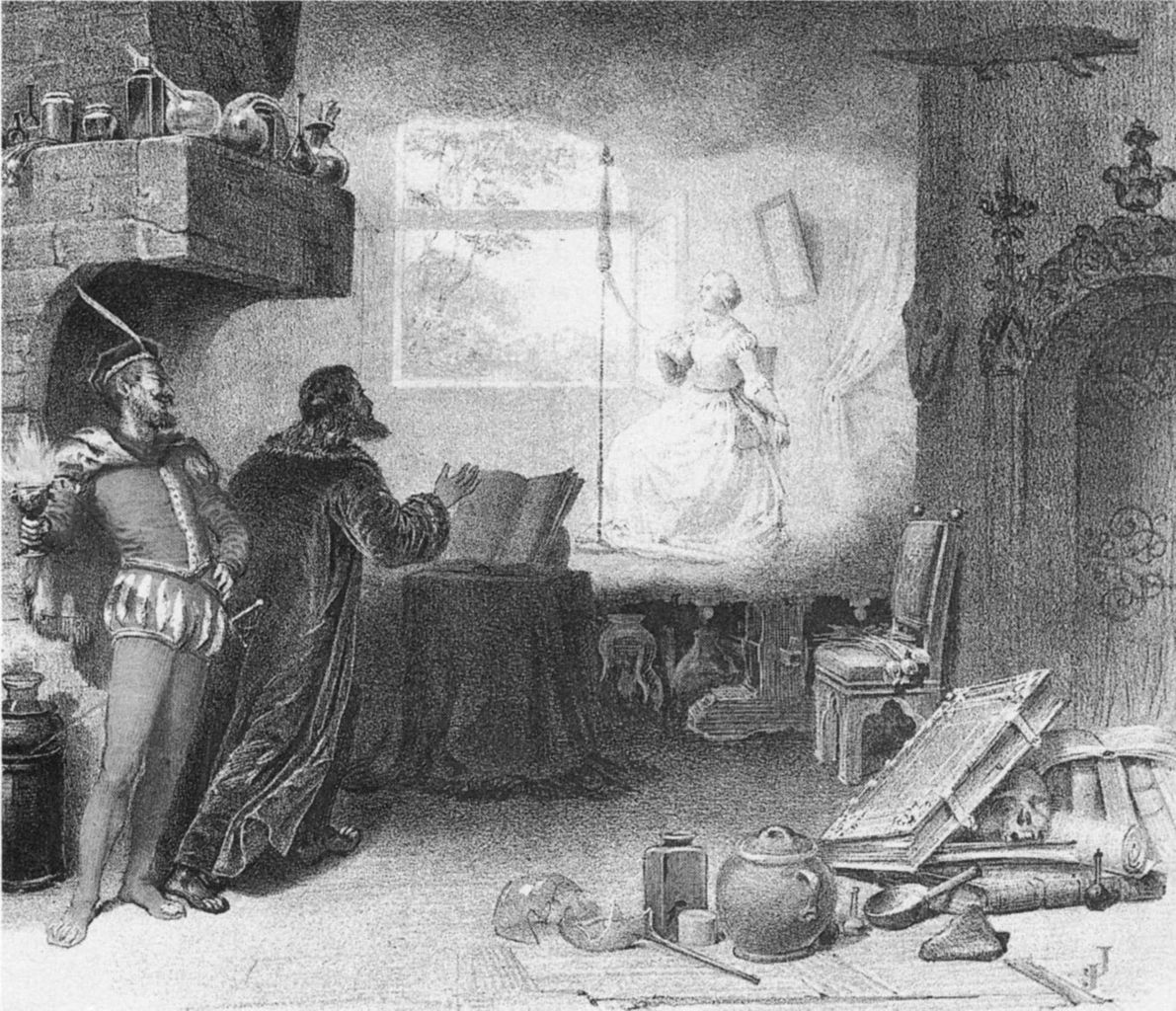
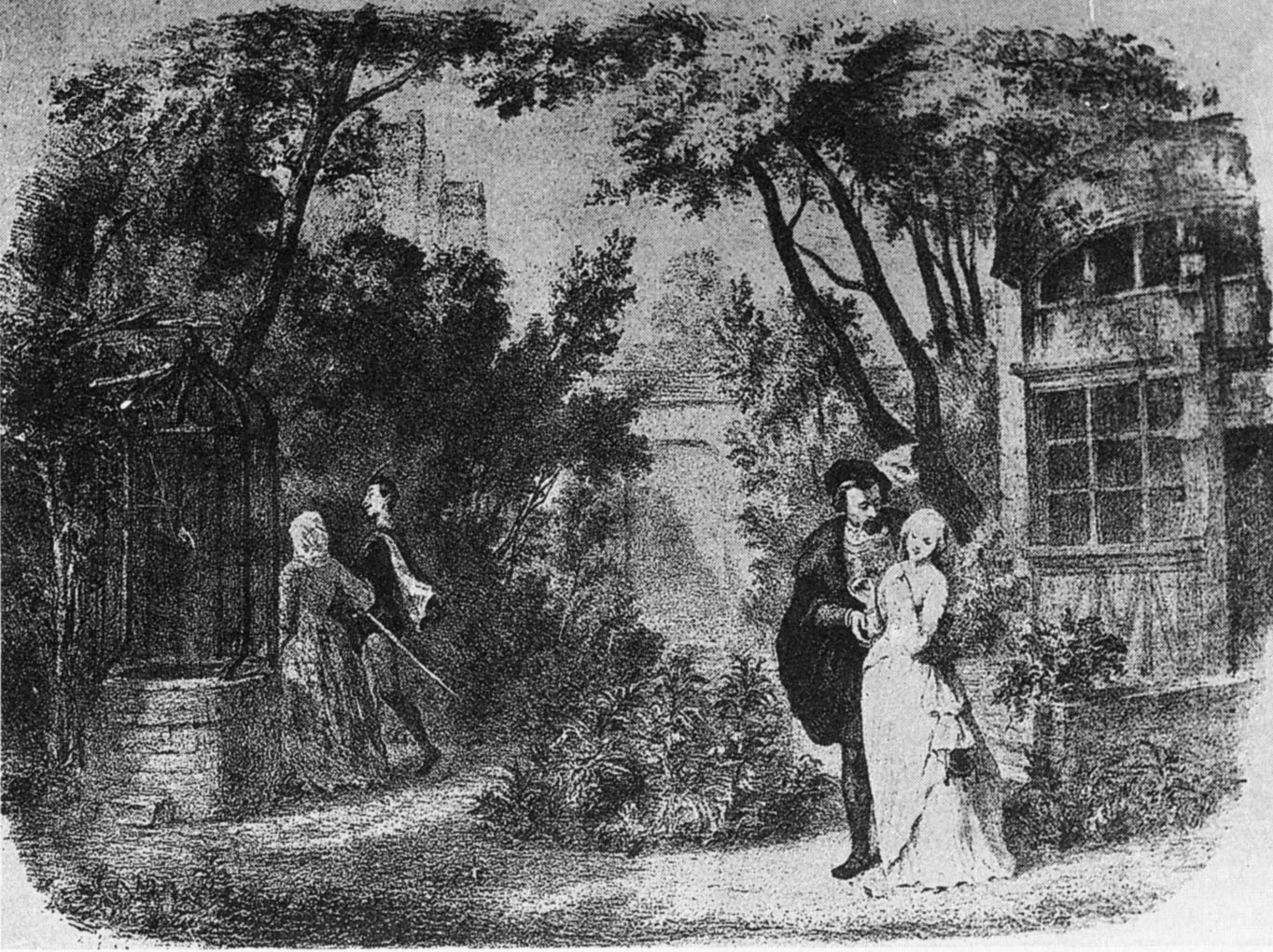
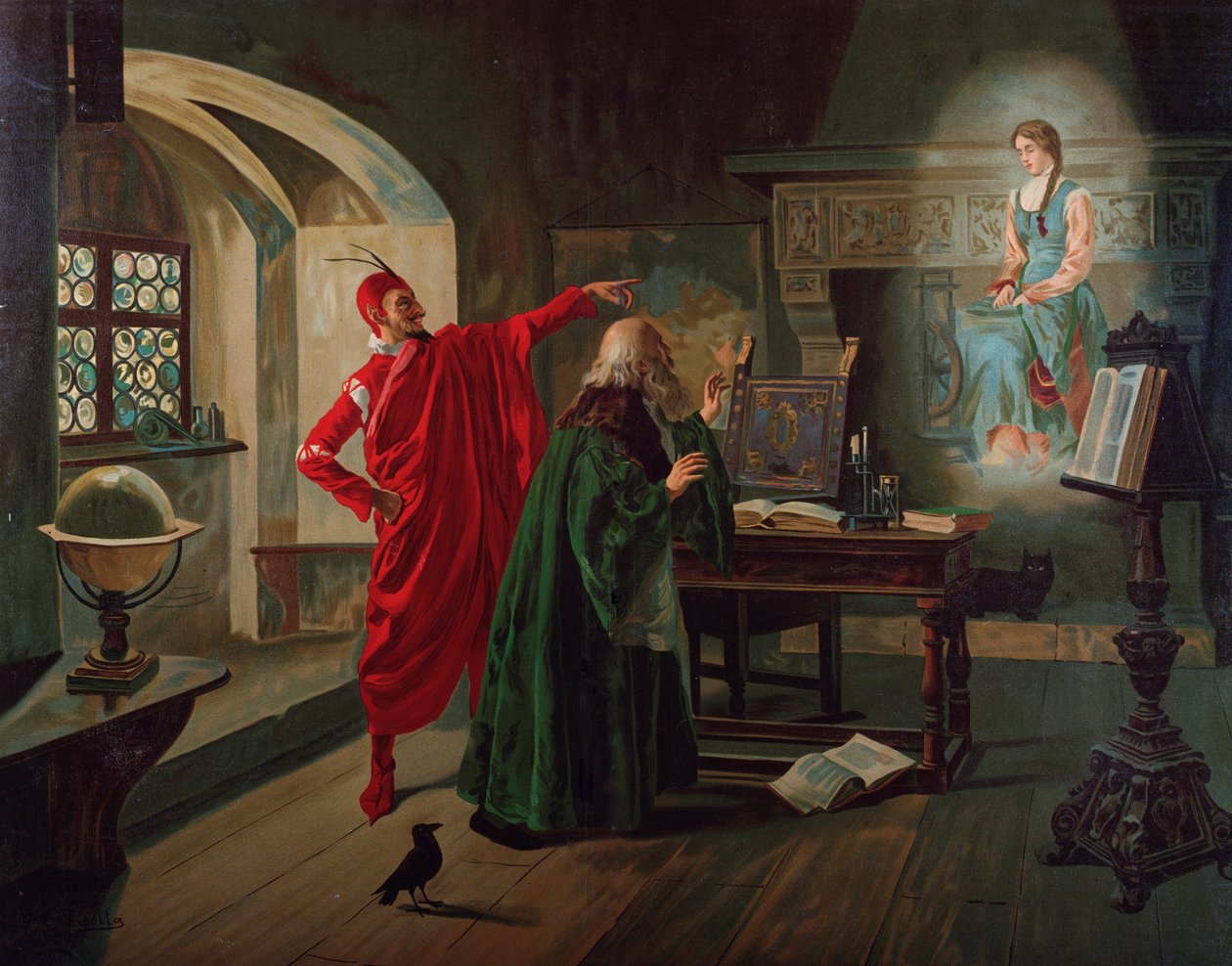
The story follows the aging scholar Faust, who, despairing of his life, makes a bargain with Méphistophélès: his soul in exchange for youth and the fulfillment of his desires. Restored to youth, Faust becomes captivated by the innocent Marguerite, setting in motion a tragedy of love, betrayal, guilt, and redemption.
Although initially only moderately successful, Faust was extensively revised and soon became one of the most popular operas of the nineteenth century. Its best-known numbers include Marguerite’s Jewel Song, Méphistophélès’ Song of the Golden Calf, and the soldiers’ chorus Gloire immortelle de nos aïeux. The opera remains one of Gounod’s most enduring works and a cornerstone of the French operatic repertoire.
Libretti
French–English side-by-side translation
| # | Language | Authors |
|---|---|---|
| 1 |
French
  |
Jules Barbier, Michel Carré |
| 2 |
German
|
Julia Behr |
| 3 |
English
|
|
| 4 | Russian | П. И. Калашников |
original libretto
side-by-side of the original libretto
Notes on the Libretto
While preparing the different texts of Faust, one of the most interesting problems appeared in Act V. The opera exists in several forms, the result of revisions made after its first performance at the Théâtre-Lyrique in 1859. When Faust reached the Paris Opéra in 1869, Gounod added the large ballet for the Walpurgis Night scene.
This creates a noticeable difference between libretti and recordings. The French text used here includes Faust’s “Doux nectar” and the following invocation to pleasure, “Volupté, devant tes charmes,” before the vision of Marguerite appears. In many performances, however, the seven-part Walpurgis ballet is heard in this part of the scene. For that reason, the ballet is kept separately in the libretto, with a note explaining where it belongs in the action.
There were also several smaller inconsistencies to correct while comparing and formatting the texts. Marthe’s surname, for example, appeared as both Schwerlein and Schwerdtlein; Schwerlein has been used consistently. Character names, French apostrophes, and a number of minor punctuation differences were also standardized.
These small details are easy to overlook, but in Faust they sit alongside a much larger problem: the opera itself continued to change for years after its premiere.
History
| March 19, 1859 | World premiere of Charles Gounod's opera "Faust" at the Théâtre Lyrique in Paris. |
| August 27, 1866 | Birth of Danish tenor Erik Schmedes in Copenhagen; he debuted as Valentin in Gounod’s *Faust* and became notable in Wagnerian roles at the Met. |
| October 22, 1883 | The Metropolitan Opera opened its first season in New York City with Gounod's "Faust" (sung in Italian). |
| October 22, 1883 | Met Opera opening night documented in house materials: the first Metropolitan Opera House (39th St. & Broadway) opened with "Faust." |
| November 17, 1917 | The Metropolitan Opera opens a new Joseph Urban–designed production of Gounod's 'Faust.' |
| December 22, 1965 | On 1965-12-22, Montserrat Caballé made her Metropolitan Opera debut as Marguerite in Gounod’s "Faust" (the same performance also marked Sherrill Milnes’s Met debut). |
Images

Notable videos
| Maya Plisteskaya dances on Gounod's Walpurgis Night |
Printed Editions
| Year | Edition | Publisher | Buy |
|---|---|---|---|
| 2026 | Faust: Side-by-Side French–English Opera Libretto | DM’s Opera Series |
|
Audio recordings
| Year | Cast | Conductor, Opera chorus and orchestra |
Label, Comment |
Buy |
|---|---|---|---|---|
| 1953
|
Nicolai Gedda, Boris Christoff, Victoria de los Ángeles |
André Cluytens Théâtre National de l' Opéra de Paris Orchestra and Chorus |
EMI Cat: CMS 5 65256-2; Malibran Cat: CMS5652562 (mono) |

|

Related links
- Faust: French–English Side-by-Side Libretto With Translation — LibrettoArchive Blog
- Wikipedia, the free encyclopedia